


19 Apr The Issues and Challenges of Human Resource Outsourcing (HRO)
Human Resource Outsourcing (HRO) has emerged as a strategic solution for businesses looking to enhance operational efficiency, cut costs, and focus on core competencies. By outsourcing key HR functions such as payroll, compliance, and employee benefits, companies can access expert services without the expense of maintaining a full in-house HR department. However, while the benefits are substantial, HRO also comes with critical challenges that businesses must consider carefully. Issues like employee resistance, loss of personal interaction, data security concerns, and risks related to vendor reliability can significantly impact organizational performance if not managed properly. This article explores the most pressing issues and challenges associated with Human Resource Outsourcing, offering insights into how businesses can navigate these obstacles and implement HRO successfully. Whether you’re a startup or an established enterprise, understanding these dynamics is essential for making informed outsourcing decisions.
Rise of the Human Resource Outsourcing Market
According to industry forecasts, the global HR outsourcing market was projected to grow from $31 billion in 2007 to $50 billion by 2010, reflecting a 12% CAGR. This growth is not just among large enterprises—small and medium-sized businesses are also increasingly adopting HRO strategies. As companies realize the cost and efficiency advantages, the market continues to evolve with dynamic service offerings and emerging technologies. The increasing trend is further supported by globalization, expanding regulatory requirements, workforce diversification, and the need for enhanced organizational agility in a competitive market environment, which together drive transformative change.
Understanding Human Resource Outsourcing
In today’s competitive corporate environment, Human Resource Outsourcing (HRO) has evolved into a strategic solution for businesses aiming to reduce overheads and enhance operational efficiency. With both traditional and modern organizations focusing more on their core competencies, non-core tasks like HR management are increasingly being outsourced to specialized service providers.
By outsourcing HR responsibilities—such as payroll, compliance, and benefits administration—businesses can redirect internal resources toward innovation and growth. However, despite the benefits, Human Resource Outsourcing comes with several challenges that businesses must address to ensure long-term success.
Key Functions of Human Resource Outsourcing
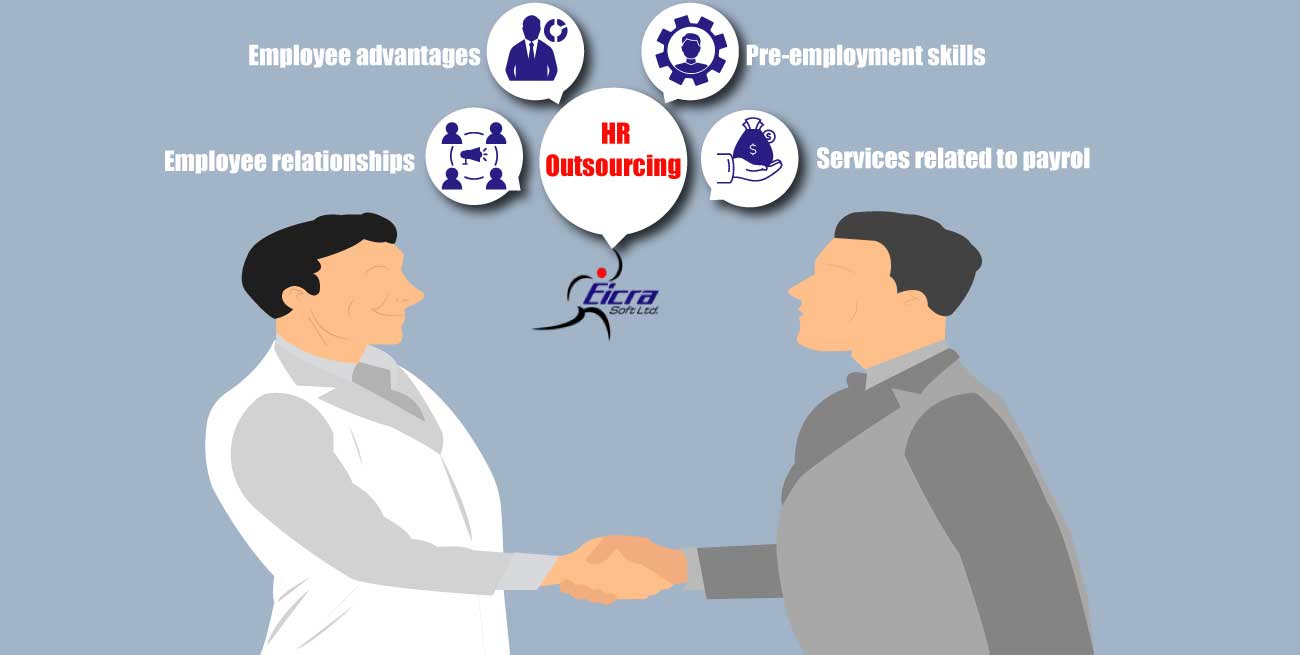
Modern HR outsourcing services cover a wide range of functions, often offering end-to-end support that goes far beyond traditional administrative tasks. These services are designed to streamline workforce management, improve compliance, reduce operational costs, and enhance the employee experience. From talent acquisition and onboarding to payroll processing, regulatory compliance, and benefits administration, HR outsourcing providers offer scalable solutions tailored to a company’s unique needs. They also assist in policy development, performance management, employee engagement strategies, and HR analytics—helping businesses make data-driven decisions. This comprehensive approach enables organizations to focus on strategic growth initiatives while ensuring their human capital is professionally and efficiently managed. Some of the core functions include:
1. Compliance and Employee Relations
Ensuring legal compliance is one of the most critical responsibilities of HR. Human Resource Outsourcing providers help businesses adhere to local and international labor laws, manage workplace disputes, and maintain ethical employee relations. They handle sensitive issues like harassment complaints and discrimination reports with professionalism, protecting your organization from legal liability while maintaining a positive workplace culture.
2. Payroll Processing
Payroll is more than just cutting checks—it involves accurate wage calculation, tax deductions, overtime tracking, benefits integration, and statutory compliance. Outsourced HR providers streamline this complex process by leveraging advanced payroll software and experienced teams. This ensures timely and error-free salary disbursements, reduces administrative stress, and avoids costly compliance penalties related to tax regulations or employee compensation errors.
3. Employee Benefits Administration
Administering employee benefits like health insurance, retirement plans, paid time off, and wellness programs requires detailed documentation and up-to-date compliance knowledge. Human Resource Outsourcing providers manage the entire process—from open enrollment and renewals to claims support and regulatory audits. They ensure that employees understand and maximize their benefits while helping businesses maintain compliance and control costs.
4. Pre-Employment Skills Testing
To ensure quality hires, many companies use pre-employment assessments to verify that candidates possess the necessary skills for a role. HR outsourcing firms handle this process by coordinating or conducting skills tests, personality assessments, and technical evaluations. This helps businesses make more informed hiring decisions, reduce turnover, and ensure a better fit between new employees and organizational needs.
Point to be remember,
In a study of 129 big companies with approximately 2 million employees, it was discovered that corporations are content with their hr outsourcing services that are included in PEO service and intend to outsource to additional hr outsourcing companies. This indicates the importance of hr outsourcing services.
Issues and Challenges of Human Resource Outsourcing
Despite its many advantages, Human Resource Outsourcing can pose several challenges that organizations must anticipate and address strategically. While outsourcing helps streamline operations and cut costs, it also introduces potential risks that may affect employee morale, service consistency, and internal control. From communication barriers and cultural mismatches to data privacy concerns and dependency on external vendors, these challenges can impact the overall efficiency and trust in HR functions. Let’s take a closer look at the most common issues businesses encounter when outsourcing their HR processes and how these challenges can influence long-term organizational success.
1. Resistance to Change
One of the most common barriers to Human Resource Outsourcing is internal resistance from employees. Staff may feel threatened by new systems or fear job loss, especially if HRO involves automation or external platforms. Without proper communication and change management, this resistance can disrupt workflows, lower morale, and hinder the smooth implementation of outsourcing initiatives. Proactive training and involvement can help ease the transition and build trust in the new system.
2. Loss of Personal Connection
Outsourcing HR can unintentionally erode the close relationships between employees and internal HR personnel. In-house teams often understand the unique culture, personalities, and day-to-day concerns of staff. When HR is outsourced, this personal connection may weaken, making employees feel overlooked or less valued. To counter this, companies should ensure their outsourcing partners offer personalized support and maintain open lines of communication between HR and employees.
3. Loss of In-House Talent
As HR tasks are shifted to external vendors, the internal team may gradually lose touch with essential HR skills and processes. This erosion of in-house talent can make the company overly dependent on third-party providers, limiting internal knowledge retention and flexibility. Over time, it becomes harder to build or rebuild a robust internal HR function if needed. A hybrid approach—keeping strategic HR roles in-house—can help maintain critical competencies.
4. Risk of Service Disruption
Depending heavily on an external provider introduces operational risk, especially if the vendor faces business interruptions, goes out of service, or delivers subpar results. A sudden service breakdown can disrupt payroll, compliance reporting, or benefits administration—leading to financial and reputational damage. To mitigate this risk, companies should have contingency plans in place, including SLAs, regular performance reviews, and backup systems to ensure business continuity.
5. Vendor Selection Risk
Choosing the wrong HR outsourcing partner is one of the most significant risks in the outsourcing process. A vendor that lacks industry experience, regulatory knowledge, or customer service capabilities can create long-term operational issues. Inadequate due diligence or unclear expectations can result in missed deadlines, compliance violations, or unhappy employees. To avoid this, businesses must thoroughly vet providers, review service agreements, and prioritize vendors with proven expertise and strong client testimonials.
One of the most essential criteria for selecting a vendor for outsourcing HR is the firm’s demonstrated HR process competence, according to 95 % of the respondents.
Solutions to Mitigate HRO Challenges
While these issues are real, most can be effectively managed with a strategic approach that emphasizes careful planning, strong communication, and the right partnerships. By proactively identifying potential risks and addressing them through governance frameworks, process transparency, and employee engagement, businesses can turn challenges into opportunities for growth. Establishing well-defined roles, setting clear expectations with vendors, and maintaining an internal HR oversight team are crucial to ensuring that outsourcing enhances rather than hinders performance. Here are a few key solutions that can help organizations overcome common HRO challenges and achieve long-term success.
1. Strategic In-House Planning
Strategic in-house planning involves clearly identifying which HR functions to outsource and which to retain internally. By preserving critical roles such as talent strategy, leadership development, and organizational culture in-house, businesses can maintain control over core decisions. This balanced approach ensures alignment with long-term objectives while leveraging external partners for routine or administrative tasks. Effective planning helps businesses avoid losing key internal competencies and strengthens overall HR management.
2. Robust Change Management
Successful Human Resource Outsourcing depends heavily on how well change is managed within the organization. Employees may resist new platforms, policies, or communication channels introduced through outsourcing. A robust change management plan involves clear communication, training programs, employee involvement, and leadership support. It also includes aligning outsourced services with internal culture and workflows. Investing in change management builds trust, eases the transition, and increases the likelihood of outsourcing success.
3. Clear Governance Models
In a multi-vendor environment, confusion can arise without defined roles and responsibilities. A clear governance model outlines who is accountable for what, establishes escalation procedures, and sets performance metrics for all parties involved. This structure ensures consistency, transparency, and accountability across the outsourcing relationship. Governance also facilitates better collaboration between internal and external teams, minimizes overlaps, and creates a smoother, more efficient operational framework for delivering HR services.
4. Transparent Communication
Transparent and consistent communication is essential in any outsourcing relationship. Businesses must establish strong communication channels between internal teams, the HRO provider, and employees. This includes regular meetings, performance reporting, shared dashboards, and feedback mechanisms. Transparency helps identify issues early, clarifies expectations, and builds trust. With open communication, misunderstandings are minimized, service quality improves, and employees feel more confident in how HR concerns are handled.
5. Vendor Due Diligence
Selecting the right outsourcing partner is a critical success factor in Human Resource Outsourcing. Conducting due diligence involves evaluating the vendor’s industry experience, service offerings, data security measures, financial stability, and client testimonials. Businesses should also review legal compliance, technological capabilities, and scalability potential. Proper due diligence ensures you partner with a provider who aligns with your business needs and can deliver consistent, high-quality HR services over the long term.

Expanding HRO: Trends and Future Outlook
The Human Resource Outsourcing industry is entering a new phase of innovation and expansion, driven by rapid technological advancements, changing workforce expectations, and the increasing need for agile, cost-effective HR solutions. Organizations across all industries are re-evaluating how they manage talent, compliance, and employee engagement. As businesses seek more scalable and intelligent HR models, service providers are adapting their offerings to meet evolving demands. Here are some transformative trends shaping the future of HRO:
- AI-Driven HR Solutions: Automation and AI are transforming payroll, employee onboarding, and performance tracking.
- Cloud-Based HRO Platforms: Enable real-time access to HR data and tools from anywhere.
- Customized HRO Packages: Providers are now offering tailored solutions for SMEs, not just large corporations.
- Increased Emphasis on Employee Experience: HRO vendors are focusing more on engagement, retention, and wellness support.
These innovations suggest that HRO will continue to grow, especially as remote work and global operations become standard.
Conclusion:
Human resources are the backbone of any successful organization. While managing HR internally can be resource-intensive—requiring significant time, budget, and specialized personnel—Human Resource Outsourcing (HRO) provides an efficient, scalable, and cost-effective alternative. When implemented strategically, HRO allows businesses to concentrate on core operations like sales, innovation, and customer service while leaving HR functions such as payroll, compliance, and benefits management in the hands of qualified professionals.
However, like any strategic business decision, outsourcing HR comes with its own set of risks and operational complexities. By understanding the challenges and proactively implementing safeguards—such as conducting thorough vendor evaluations, managing change effectively, and retaining essential internal HR oversight—organizations can maximize the benefits of outsourcing while minimizing potential disruptions.
For expert insights and customized solutions in HR outsourcing services, stay ahead with the latest HR innovations, compliance strategies, and workforce management tools tailored to your business needs.
FAQs About Human Resource Outsourcing
1. What is Human Resource Outsourcing (HRO)?
HRO is when a business delegates HR functions—like payroll, compliance, and benefits administration—to an external provider.
2. Is HRO suitable for small businesses?
Yes. Small and mid-sized companies can greatly benefit from HRO by accessing professional services without the cost of a full HR department.
3. How much does HR outsourcing cost?
The industry standard price ranges between $45 and $1500 per month. Of course, the price depends on various factors. Typically, it can be customized based on individual requirements, and thus, the wide range. Further, the providers follow different HR outsourcing pricing models
4. How do I choose the right HRO provider?
Look for vendors with a strong reputation, proven HR process expertise, transparency in pricing, and service scalability.
5. Can I outsource only specific HR functions?
Absolutely. Many providers offer modular services, allowing businesses to outsource payroll, benefits, or recruitment individually.
Sorry, the comment form is closed at this time.